
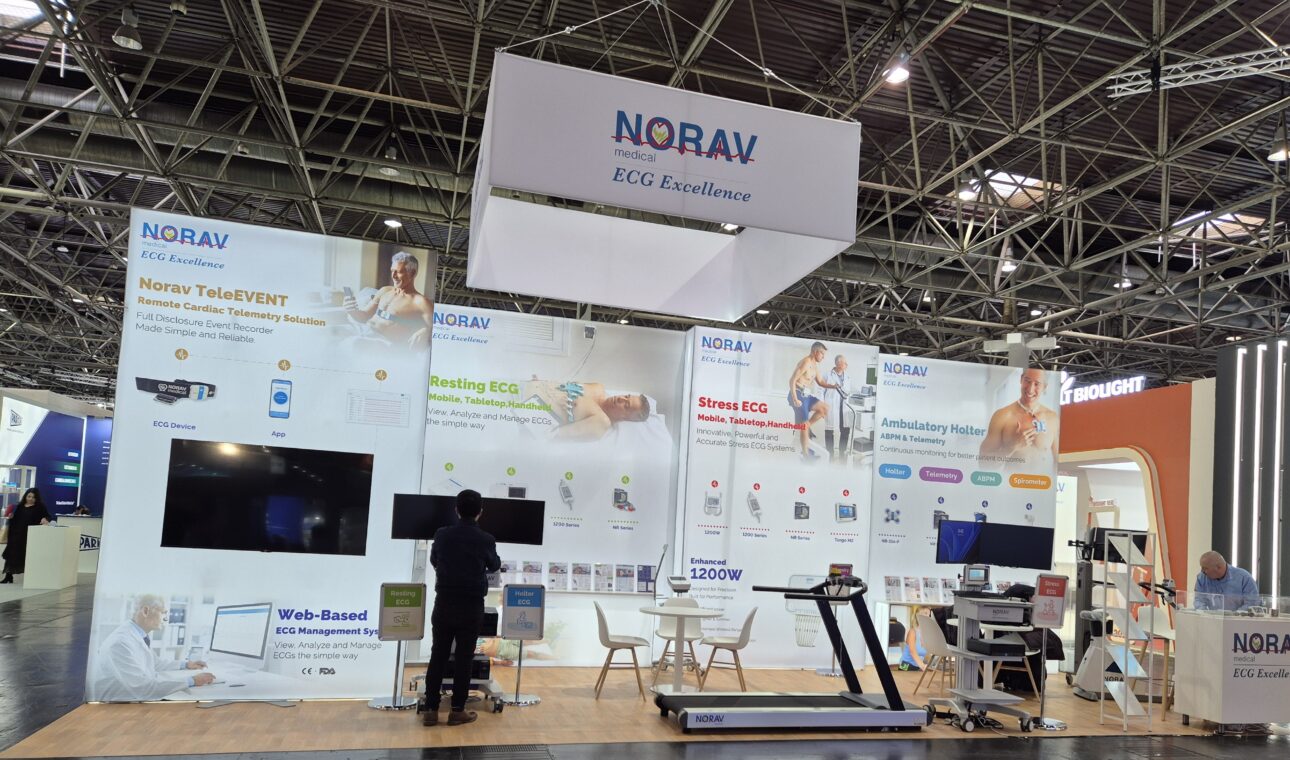
International exhibitors entering the United States convention circuit often face severe budget shock upon receiving their final installation and dismantle (I&D) invoices. In cities like Chicago, Las Vegas, Orlando, and New York, labor expenses frequently surpass the actual fabrication cost of the exhibit itself.
Strict collective bargaining agreements across major US convention centers require certified union personnel for almost every on-site action—from uncrating materials and hanging monitors to connecting power cords and laying flooring. To avoid blown budgets, international exhibitors are often forced to downscale to flat, generic displays—unless they design specifically around tool-less, modular booth systems engineered to slash on-site labor hours.
The Anatomy of US Union Jurisdictions
In Europe, an exhibitor’s master stand builder can execute an entire build from floor to ceiling with a dedicated in-house crew. In the United States, venue work is strictly partitioned among specialized trade unions, each with its own contractual boundaries.
- Carpentry & I&D Unions: Responsible for uncrating boxes, building walls, assembling counters, laying vinyl/carpet, and repacking crates post-show.
- IBEW (Electrical Union): Strictly responsible for laying power lines beneath flooring, connecting distribution boxes, and hardwiring lighting systems. Booth staff are prohibited from running extension cords under carpets.
- Rigging Unions: Sole jurisdiction over all elements attached to the hall ceiling, including hanging banners, overhead lighting trusses, and structural motors.
- Teamsters / Freight Handlers: Handle all movement from the loading dock to your booth space (drayage) and empty crate warehouse storage.
Crucial Rule: Attempting to perform union-designated tasks with your own staff can result in immediate work stoppages, grievance filings, and penalty labor charges billed at premium rates.
The Labor Billing Trap: Rates, Minimums, and Time Tiers
Union labor is not billed at a standard flat rate. US convention billing follows rigid, time-sensitive pricing tiers that multiply base rates rapidly.
| Labor Tier | Typical Work Windows | Rate Multiplier | Cost Impact |
| Straight Time (ST) | Mon–Fri, 8:00 AM – 4:30 PM | $1.0\times$ (Base Rate) | Standard planned budget |
| Overtime (OT) | Mon–Fri after 4:30 PM, Saturdays | $1.5\times$ Base Rate | +50% labor surcharge |
| Double Time (DT) | Sundays and Official Holidays | $2.0\times$ Base Rate | +100% labor surcharge |
In addition to rate multipliers, union contracts enforce mandatory minimum crew sizes and minimum billable hours (typically 2-person crews billed at a 4-hour minimum per call). If your booth installation runs just 15 minutes past 4:30 PM due to a freight delay, the entire crew transitions into Overtime rates.
The Design Dilemma: Why Traditional Custom Builds Bleed Budgets in the US
Traditional custom booths rely heavily on on-site joinery, drywall mudding, sanding, and on-site painting.
In European venues, this craftsmanship is cost-effective. In the US, it is economically unsustainable for recurring exhibitors.
- High On-Site Assembly Hours:
A custom wood build requiring 60 hours of on-site union carpentry can easily add $12,000–$18,000 to your show budget in labor fees alone. - Compromised Aesthetics:
When faced with these quotes, brands often default to simplistic, uninspired pop-ups to fit their budgetary limits. - Dismantle Penalties:
Dismantle schedules are dictated by the show organizer. Tear-downs occurring on Sunday nights inevitably hit double-time labor rates.
The Eventeam Strategy: Tool-Less Modular Engineering
To overcome excessive union labor costs without sacrificing architectural presence, Eventeam utilizes pre-engineered, modular aluminum frameworks with tension fabric and silicone-edge graphics (SEG).
- Instant Structural Locking:
Precision-engineered connector locks eliminate the need for power tools, cutting, or measuring on-site, allowing union crews to erect large-scale backwalls in hours instead of days. - Pre-Integrated Electrical Channels:
Built-in cable routing profiles prevent expensive electrical union delays and simplify wire concealment. - Pre-Fitted Silicone-Edge Graphics (SEG):
High-definition tension fabric graphics slip directly into perimeter grooves without staples, adhesives, or painting. - Flat-Pack Logistics:
Compact packing lowers overall crate weight, drastically reducing both drayage handling fees and domestic transit rates.
Tactical Checklist: How to Lower Your US Trade Show Labor Invoices
- Pre-Order Labor in Advance:
Never order labor on-site at the show desk. Advance rate discounts save between 20% and 35% compared to floor rates. - Target Straight-Time Windows:
Schedule freight deliveries and crew call times strictly during standard weekday morning windows to avoid automatic overtime charges. - Pre-Label Everything Clearly:
Number every crate and package corresponding layout drawings directly on the top crate. Every minute a union crew spends searching for hardware is billed directly to your account. - Utilize Pre-Fabricated Modular Elements:
Replace on-site drywall construction with modular architectural systems that scale up or down across your entire global show schedule.
Frequently Asked Questions
Can our own staff assemble our booth in US convention centers?
In limited jurisdictions, small pop-up displays (typically $10\times10$ ft inline booths that can be set up in under 30 minutes without tools or ladders) may be assembled by full-time company employees. Any complex structure, overhead lighting, or space exceeding standard limits requires certified union labor.
Are union rules identical in Las Vegas, Chicago, and Orlando?
No. Rules vary significantly by city and facility. Las Vegas offers slightly more flexibility for exhibitor setup under specific parameters, whereas Chicago (McCormick Place) and New York (Javits Center) enforce strict jurisdictional agreements. Working with a build partner with a local US footprint ensures full compliance across all cities.